
Evaluation
From principles to evaluation.
Daylight assessment Exposure to sunlight Glare protection View out Design considerations Evaluation criteria
Explore →
Every building is shaped by countless decisions made before it is built. Understanding daylighting in buildings helps architects make better decisions.
Scroll to discover how daylight shapes buildings.
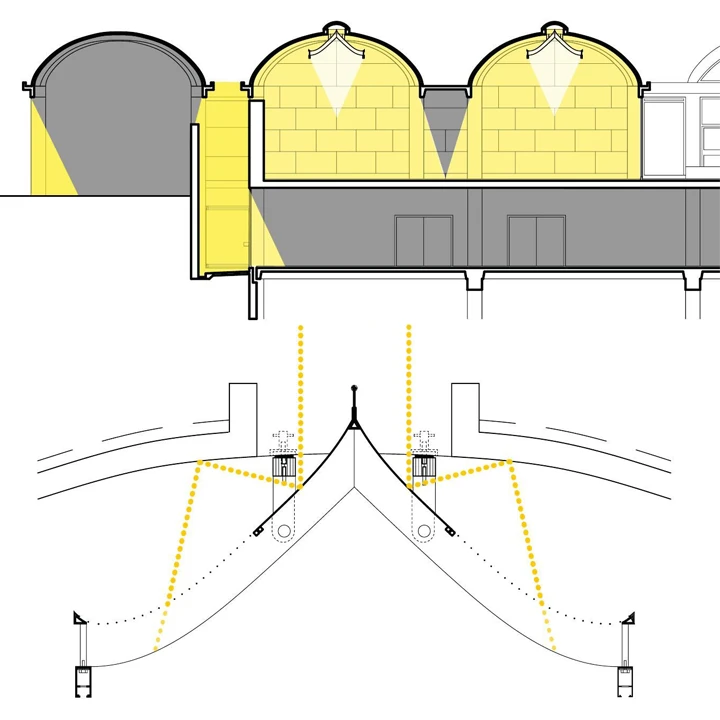
More than sunlight through windows.
Daylight is one of architecture's oldest materials, yet it remains one of its least understood. Everyone experiences daylight, yet few learn to design with it. Daylight is more than sunlight entering through windows. It is a fundamental design material that shapes the quality, comfort and experience of buildings.
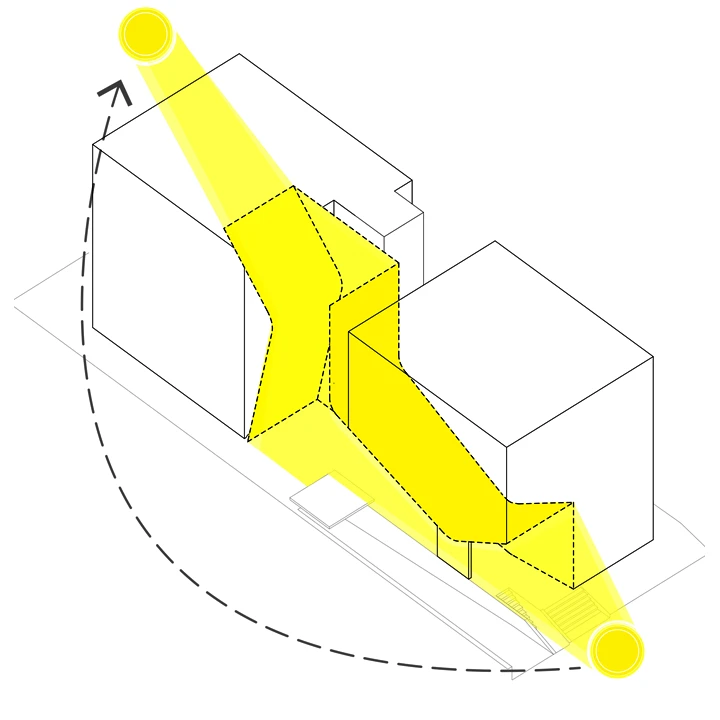
The most important decisions are made before construction begins.
Every building is shaped by countless decisions made in the earliest stages of design. Orientation, form, proportion and spatial relationships establish much of a building's future daylight performance long before construction begins. These early decisions are also the easiest—and most valuable—to improve.
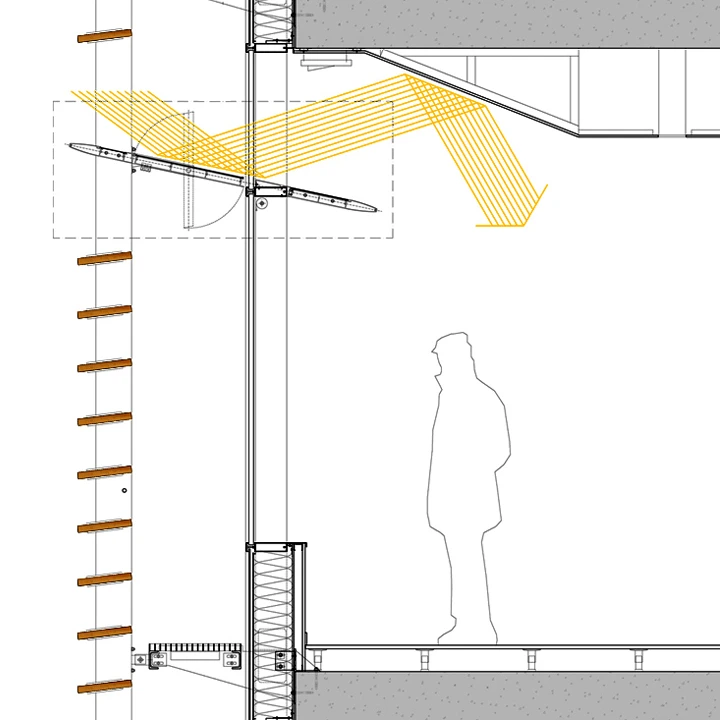
Better decisions lead to better buildings.
Daylighting helps architects understand how design decisions influence daylight in interior spaces. It also reveals the consequences of familiar design decisions while meaningful choices are still possible. Combined with design principles, assessment methods and practical experience, daylighting becomes another tool for creating healthier, more comfortable and better-performing buildings.
Daylight assessment Exposure to sunlight Glare protection View out Design considerations Evaluation criteria
Explore →
Daylighting in buildings Artificial lighting Energy-conscious design Algorithmic design Design guides Open BIM
Explore →
Historic buildings Modern architecture Daylight observations Design inspiration Building photos Case studies
Explore →
Occupant wellbeing Circadian Clock Daylight provision Visual comfort Sky conditions Life cycle assessment
Explore →
Explore Discover Learn Evaluate Read Understand
Explore →