
Use it all day.
Daylight is available for more than 4,400 hours every year, providing useful illumination even during cloudy weather.
Good architectural decisions deserve objective evaluation. Standardized assessment methods, assessment tools and design recommendations make daylight performance measurable, comparable and easier to evaluate throughout design as well as after construction.
Scroll to discover how daylight performance can be assessed.
You can't improve what you can't evaluate.
Architectural decisions have lasting consequences for daylight, visual comfort, wellbeing and building energy performance. Standardized assessment methods help architects evaluate these consequences objectively, compare design alternatives and communicate design decisions with confidence. Assessment is a practical tool for comparing design alternatives, evaluating performance and making better-informed architectural decisions.
Daylight is available for more than 4,400 hours every year, providing useful illumination even during cloudy weather.
Natural daylight reduces dependence on electric lighting while improving visual quality throughout the day.
Daylighting and passive solar strategies can reduce operating costs and environmental impact while making better use of renewable daylight.
Daylight provides excellent colour rendering, supporting accurate perception of materials, finishes and architectural spaces.
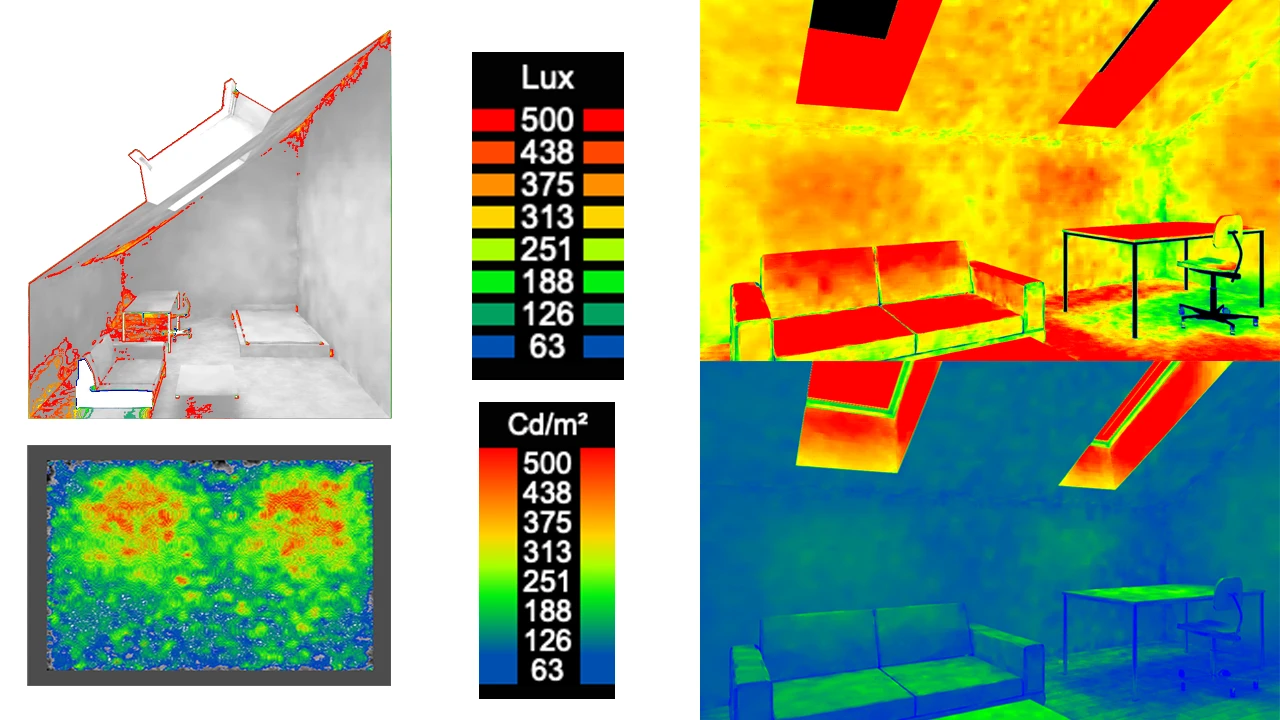
| EU standard rec. | ET (ETM) | F plane (min) |
|---|---|---|
| Minimum | 300 (100) lx | 55 (95) % |
| Medium | 500 (300) lx | 55 (95) % |
| High | 750 (500) lx | 55 (95) % |
Table 1. Recommendations and performance levels for daylight provision according to EN 17037.
Learn how architects evaluate whether buildings receive enough useful daylight.
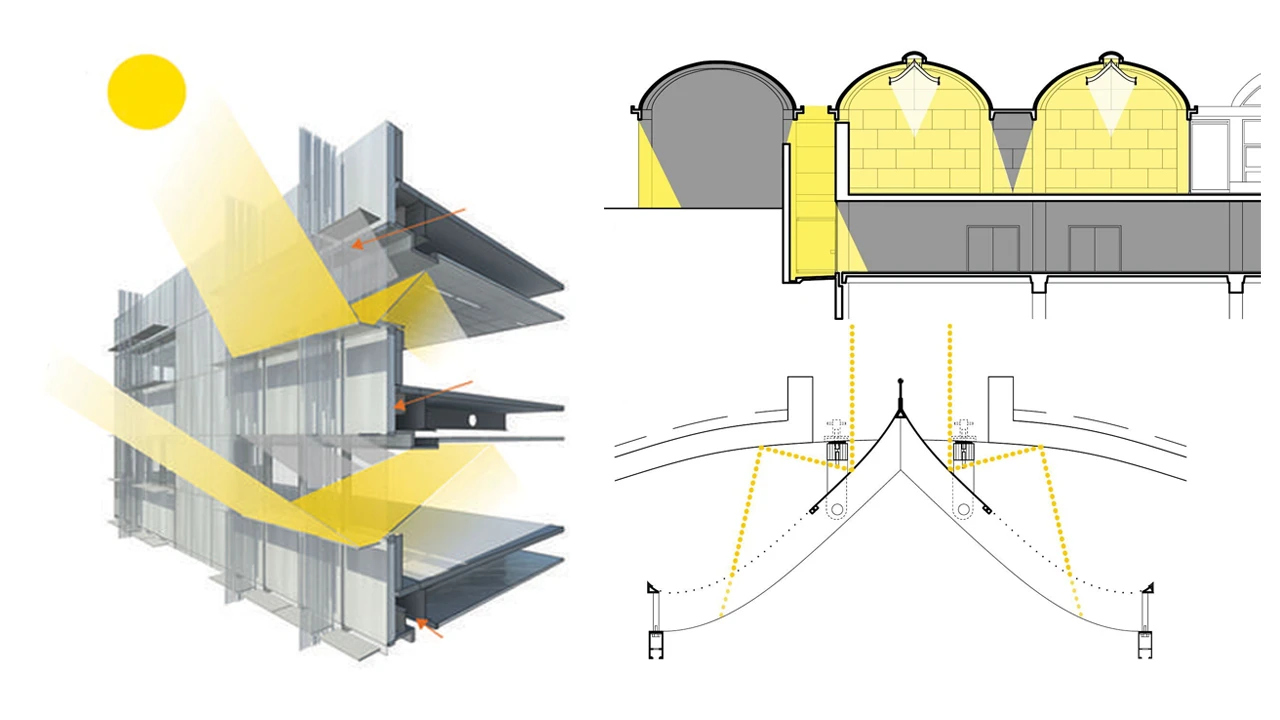
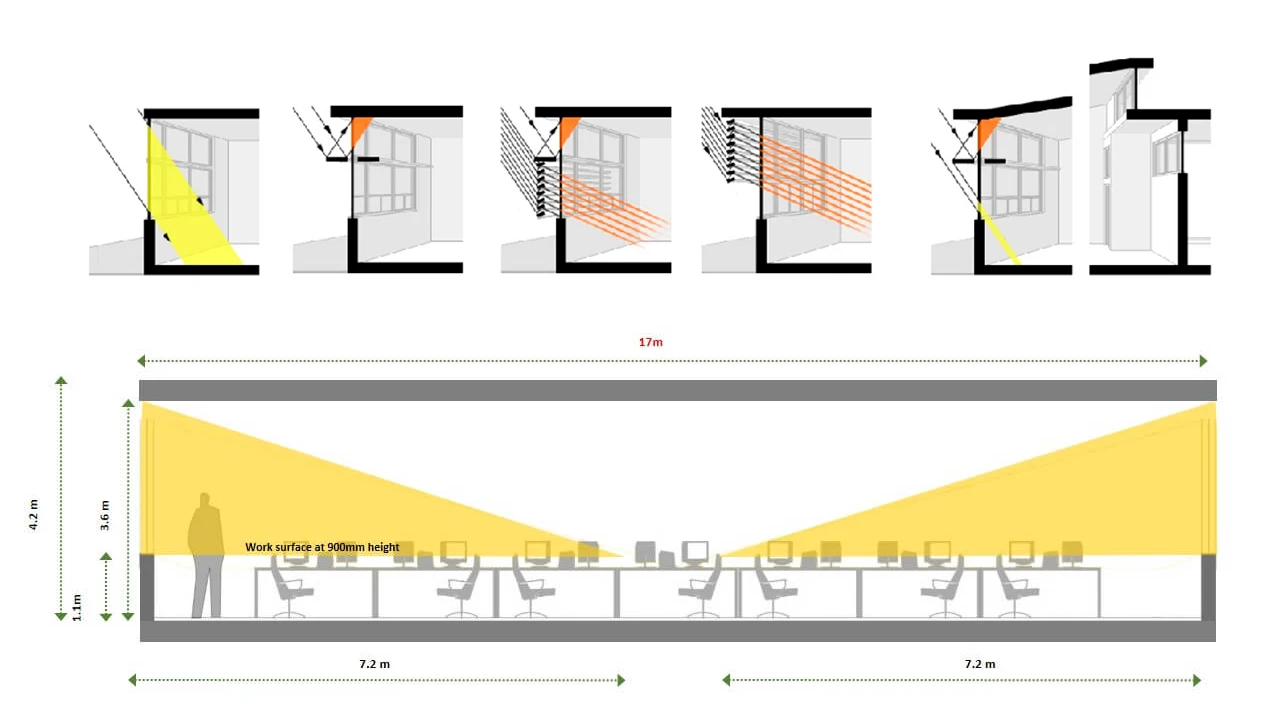
Daylight provision depends on decisions made long before construction begins. Building orientation, surrounding obstructions, window size and position, room proportions, surface reflectance and façade design all influence how daylight enters and spreads throughout interior spaces. These architectural decisions establish the daylight potential of a building and are easiest to improve during the earliest design stages.
EN 17037 evaluates daylight provision using standardized daylight metrics that estimate how much useful daylight reaches occupied spaces throughout the year. These objective criteria allow architects to compare design alternatives, verify daylight performance and demonstrate compliance using a common European framework. Assessment may be carried out using daylight factor calculations, climate-based daylight simulations or on-site measurements, depending on the project stage and available information.
Direct sunlight helps regulate the circadian rhythm and supports a healthy sleep–wake cycle.
Sunlight enables the body to produce vitamin D, supporting bone health, immunity and overall wellbeing.
Appropriate exposure to sunlight can improve mood, reduce stress and contribute to long-term physical and mental wellbeing.
Thoughtful solar design can reduce heating demand during colder months through passive solar gains.
| EU standard rec. | Sunlight exposure |
|---|---|
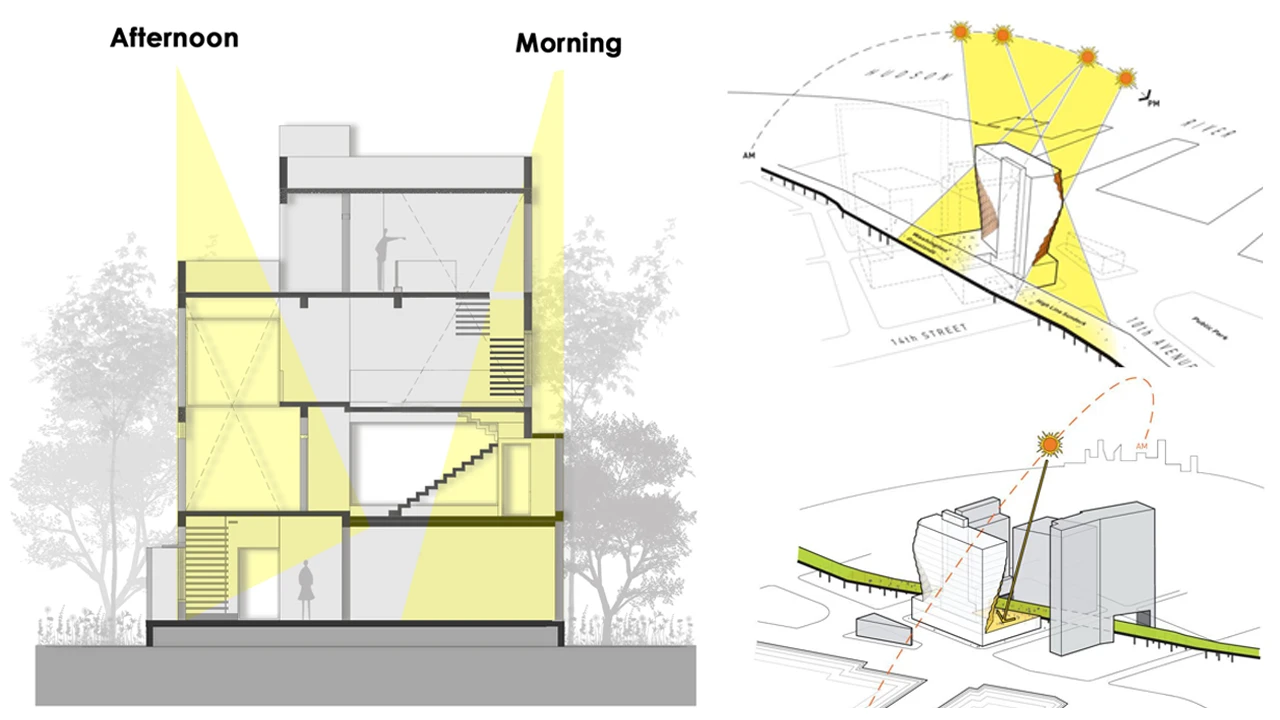
| Minimum | 1.5 h |
| Medium | 3.0 h |
| High | 4.0 h |
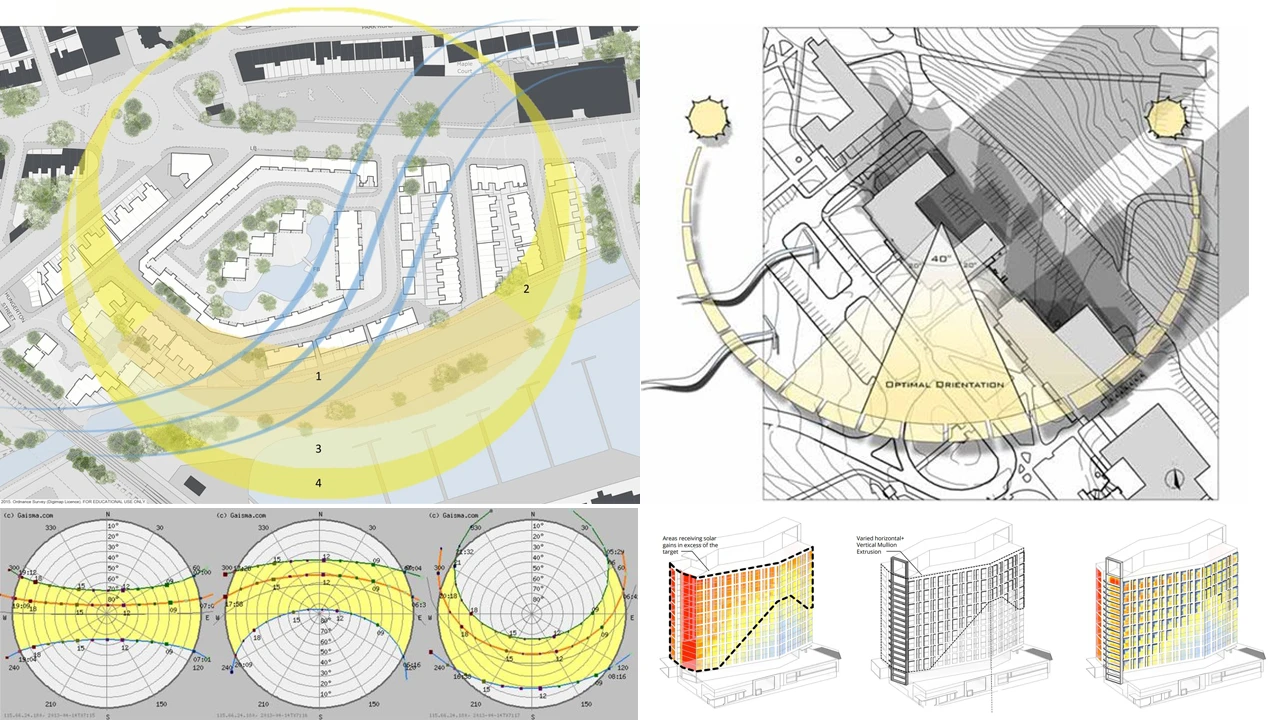
Table 2. Recommendations and performance levels for sunlight exposure according to EN 17037.
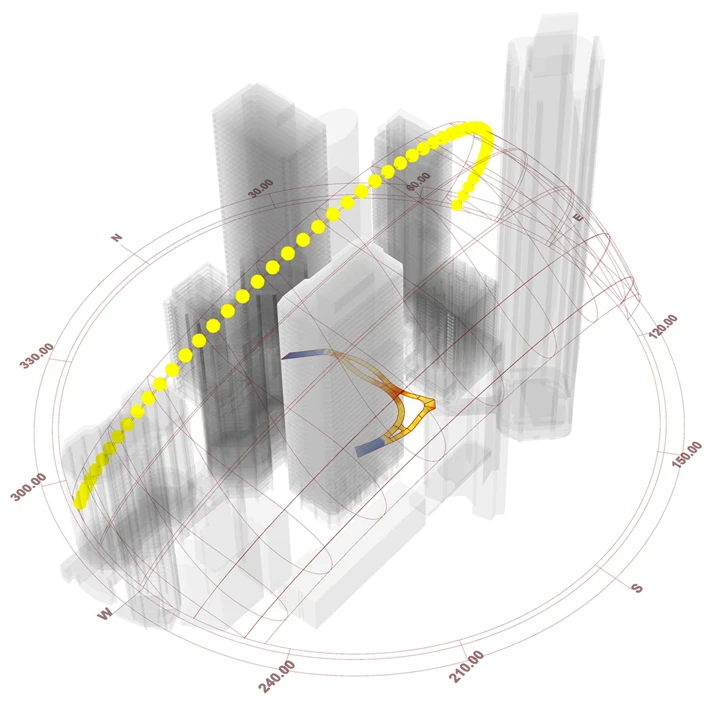
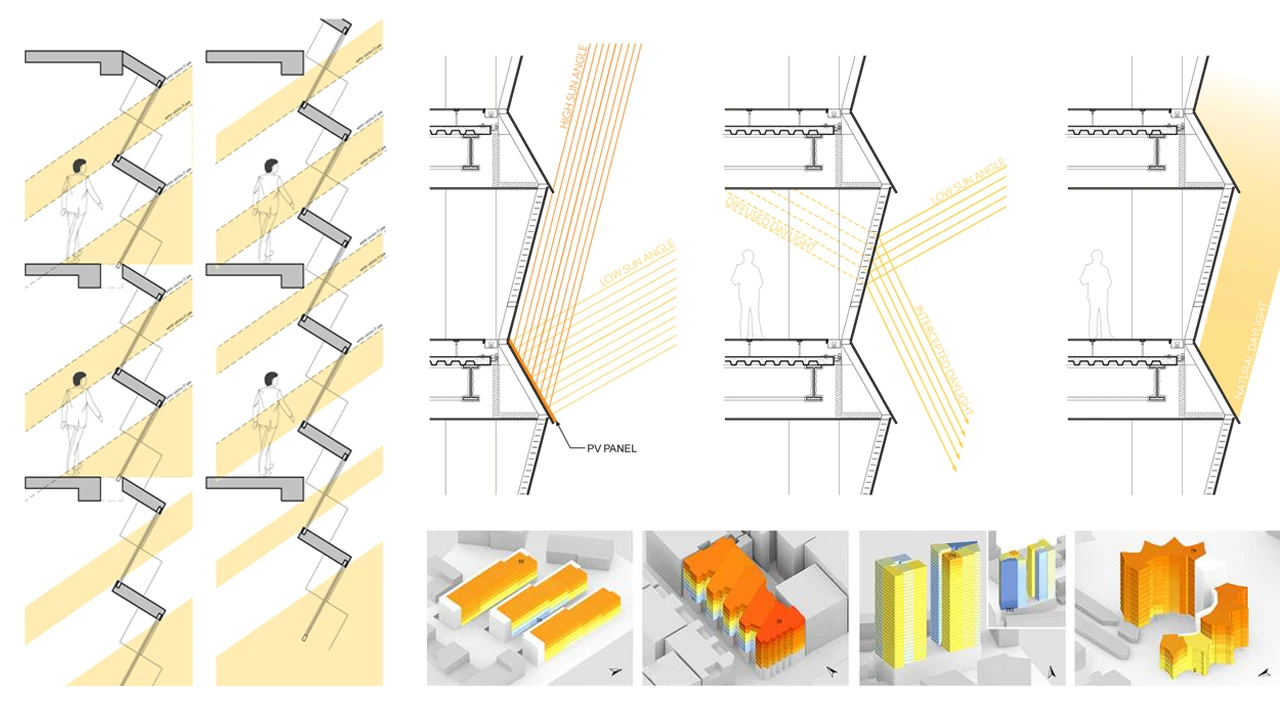
Evaluate how much direct sunlight reaches interiors to improve comfort, well-being and the quality of spaces.
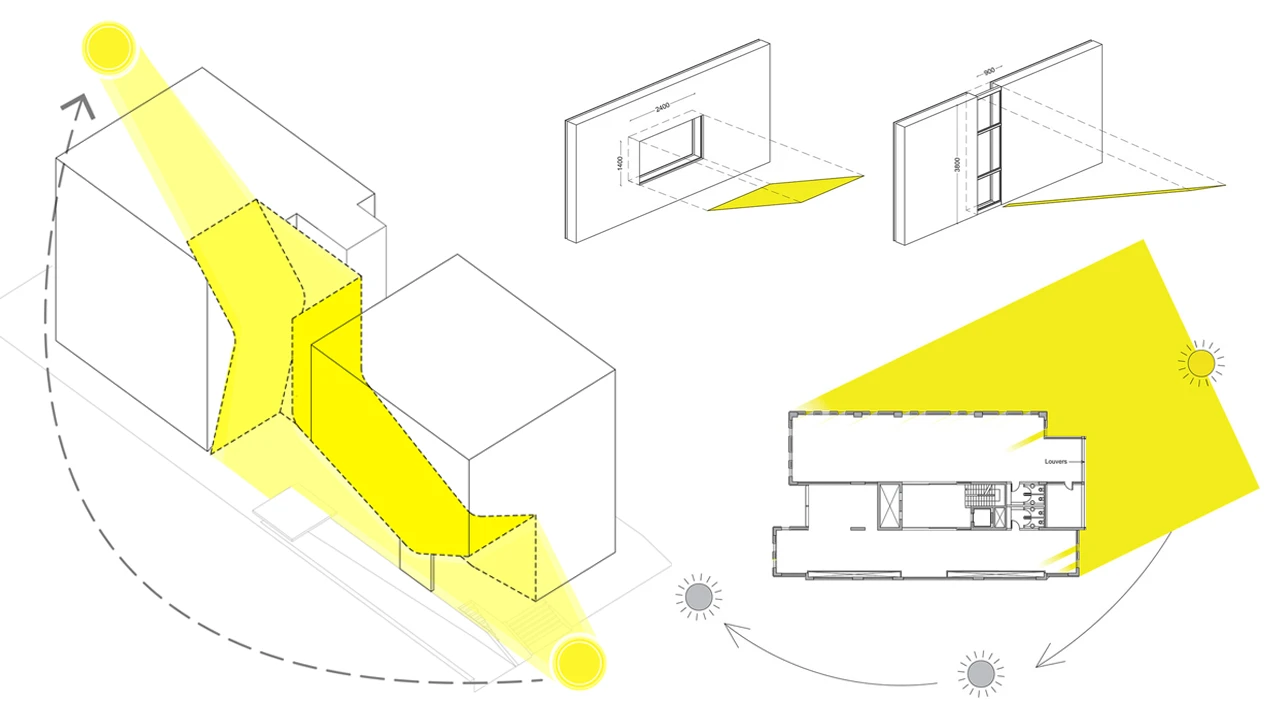
Sunlight exposure should be considered alongside daylight, energy performance and visual comfort from the earliest stages of design. Building orientation, surrounding context, façade design, window size, shading devices and the intended use of each space all influence how much direct sunlight reaches the interior throughout the year.
Direct sunlight may be evaluated through computer simulations or on-site measurements by assessing the duration of sunlight reaching occupied spaces during defined periods of the year. Standardized performance levels allow architects to compare design alternatives and verify whether spaces receive an appropriate amount of direct sunlight for their intended use.
Views provide a visual connection with the outside world, revealing the surrounding environment, weather conditions and time of day.
Looking outside offers visual relief, reduces mental fatigue and helps people refocus after prolonged periods indoors.
The quality of a view influences the attractiveness, value and long-term desirability of homes and workplaces.
Being able to see the surrounding environment increases awareness, orientation and the sense of personal safety.
| EU standard rec. | Horiz. sight angle | Outside dist. | Visible layers |
|---|---|---|---|
| Minimum | ≥ 14° | ≥ 6.00 m | Landscape |
| Medium | ≥ 28° | ≥ 20.00 m | Landscape + 1 |
| High | ≥ 54° | ≥ 30.00 m | All 3 layers |
Table 3. Recommendations and performance levels for view out according to EN 17037.
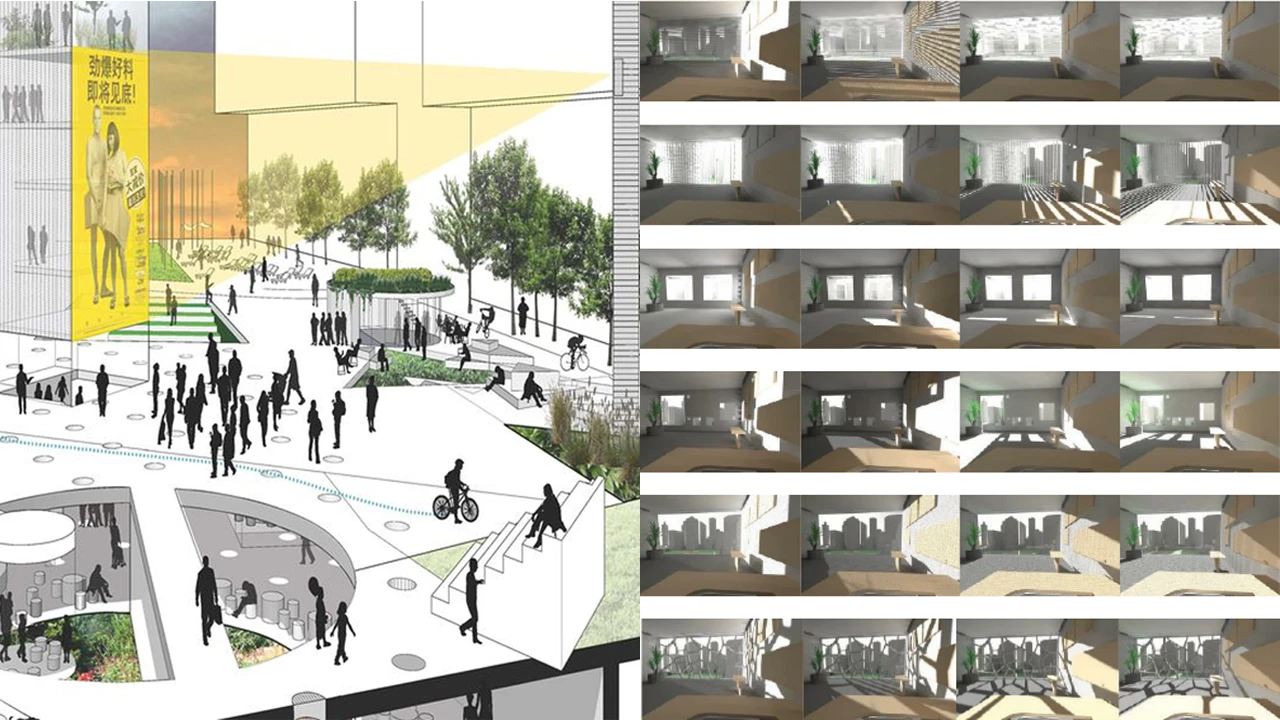
Evaluate the quality of view out to help orientation and the visual connection with the surroundings.
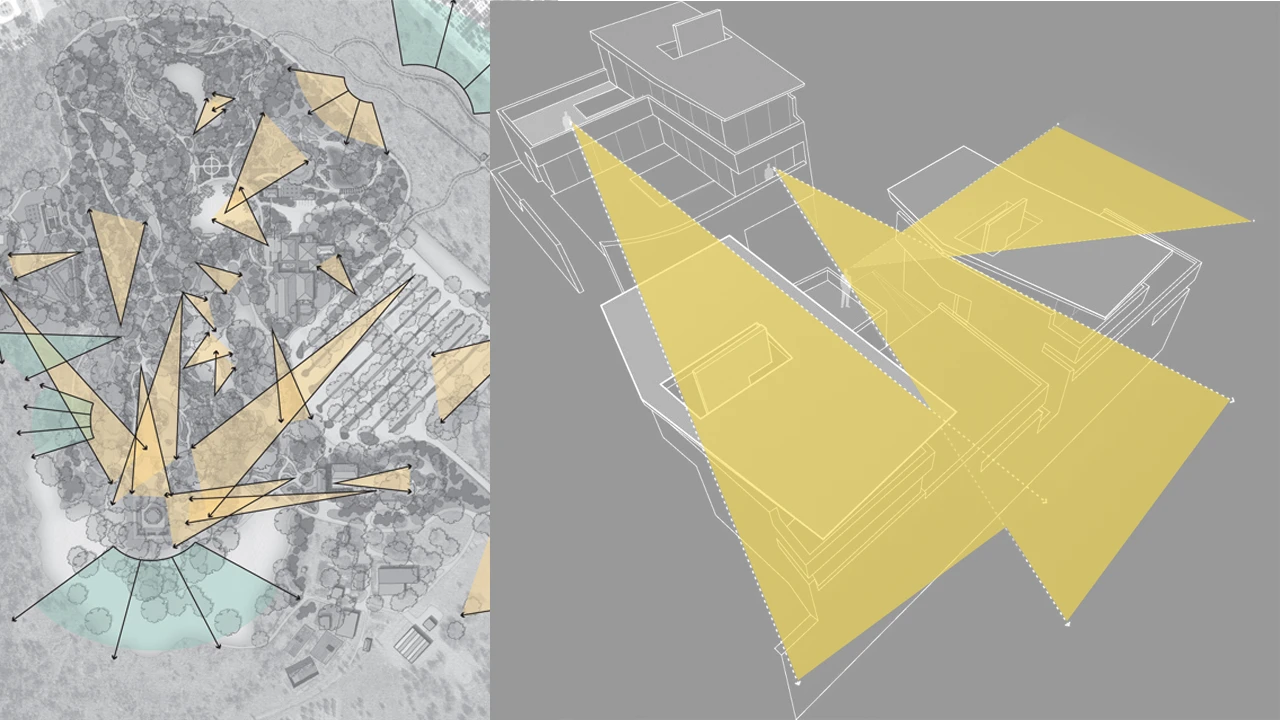
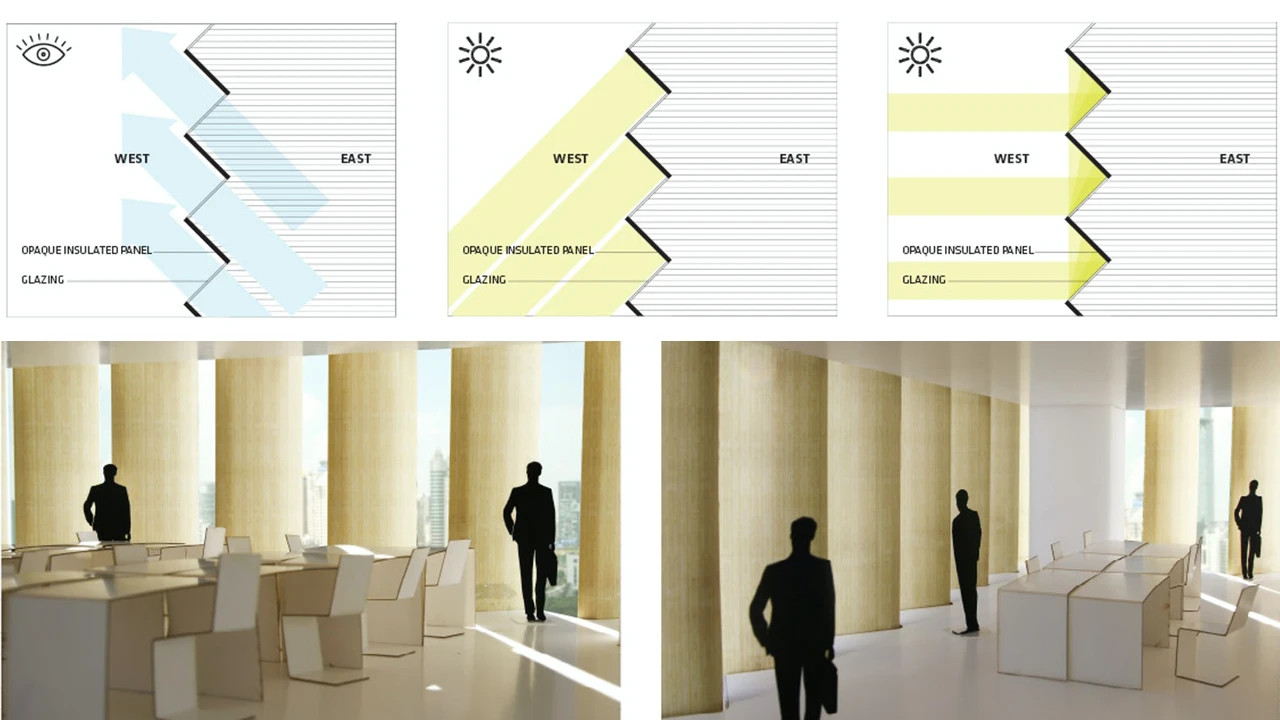
The quality of a view depends on much more than the size of a window. Building orientation, viewing direction, surrounding context, distance, landscape, neighbouring buildings and interior layout all influence what occupants experience when looking outside. Good views should be considered as carefully as daylight itself.
View quality is assessed using standardized criteria that evaluate the horizontal viewing angle, viewing distance and the number of visible landscape layers allow architects to compare design alternatives and evaluate the quality of outward views objectively. Together these measures allow architects to compare design alternatives and understand how effectively interior spaces connect occupants with the outside environment.
Controlling glare helps people stay focused by reducing visual distractions and eye fatigue during demanding tasks.
The location of workstations, viewing direction and daylight conditions all influence visual comfort throughout the day.
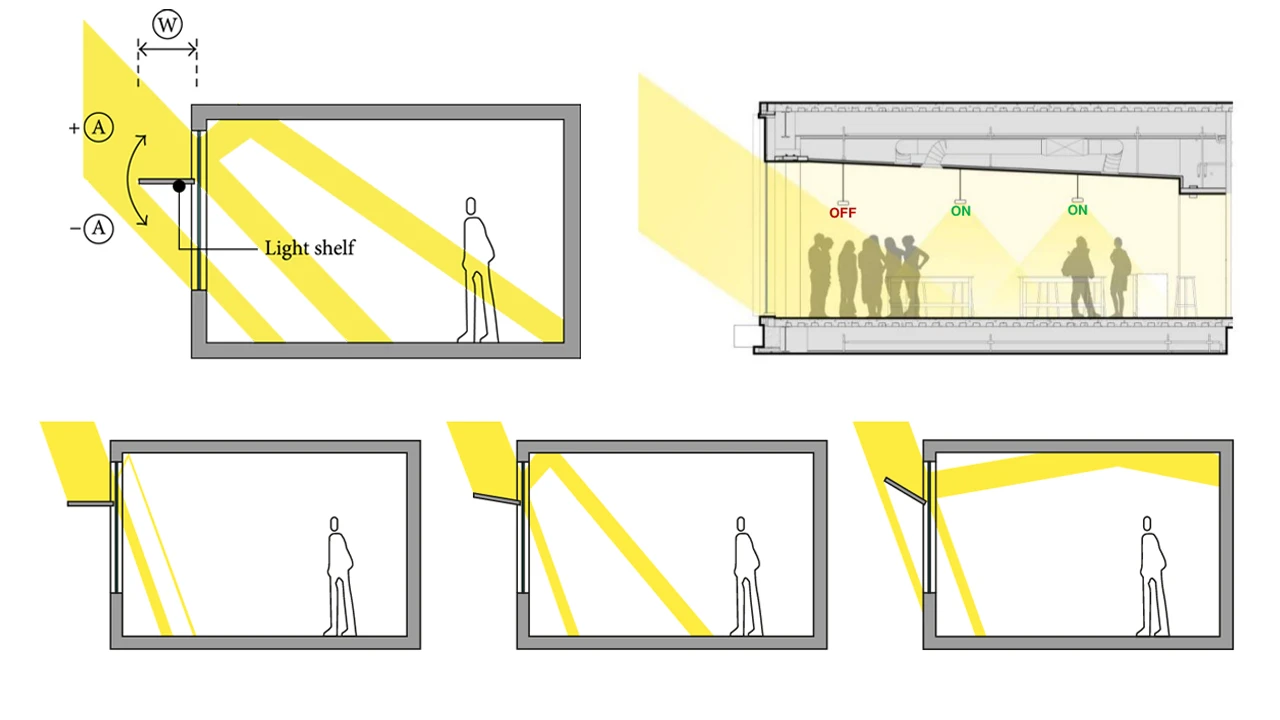
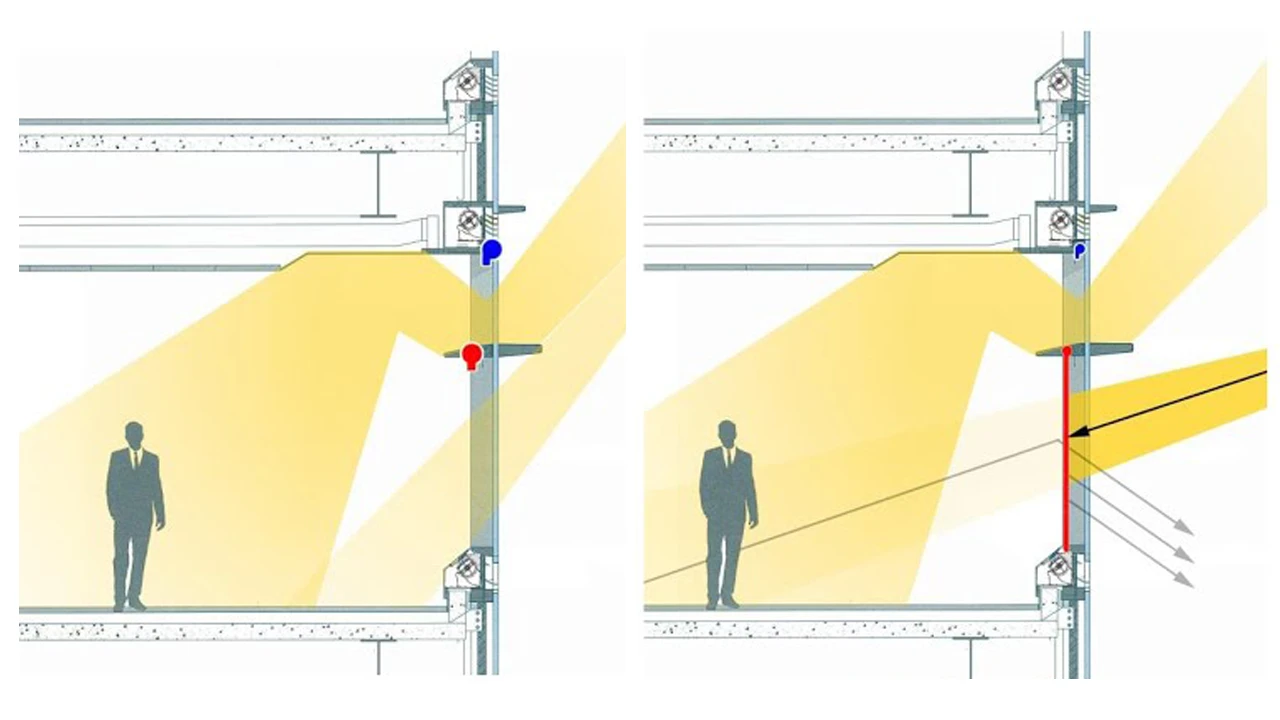
Appropriate shading devices help reduce glare while preserving useful daylight and outside views.
A visually comfortable environment supports wellbeing, productivity and overall workplace satisfaction.
| EU standard recommendation | DGP ≤ 5% |
|---|---|
| Minimum | 0.45 |
| Medium | 0.40 |
| High | 0.35 |
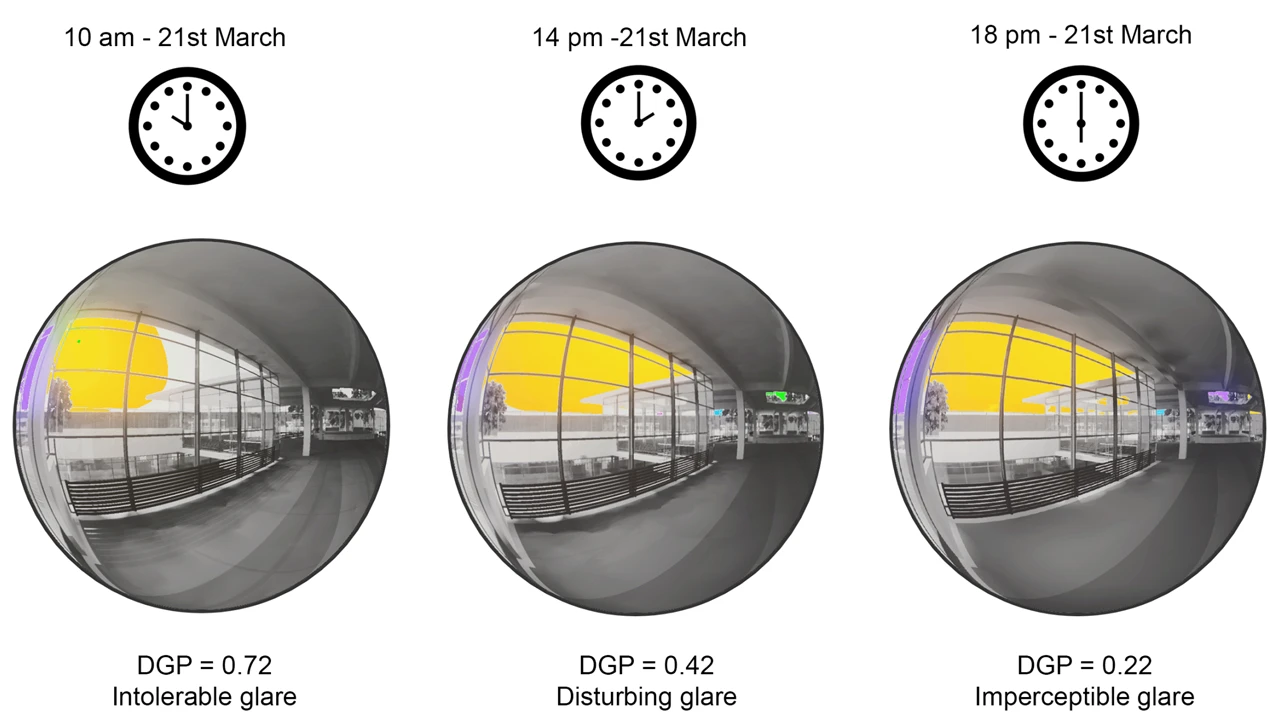
Table 4. Recommendations and performance levels for daylight glare protection according to EN 17037.
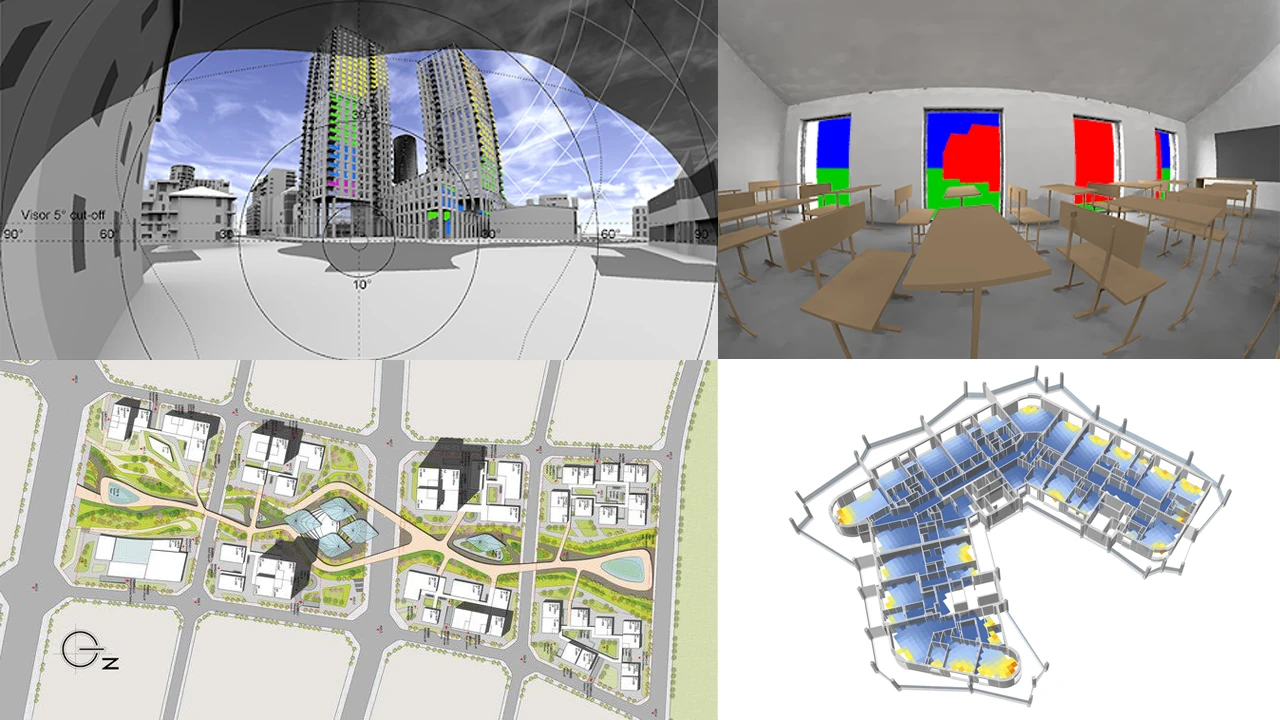
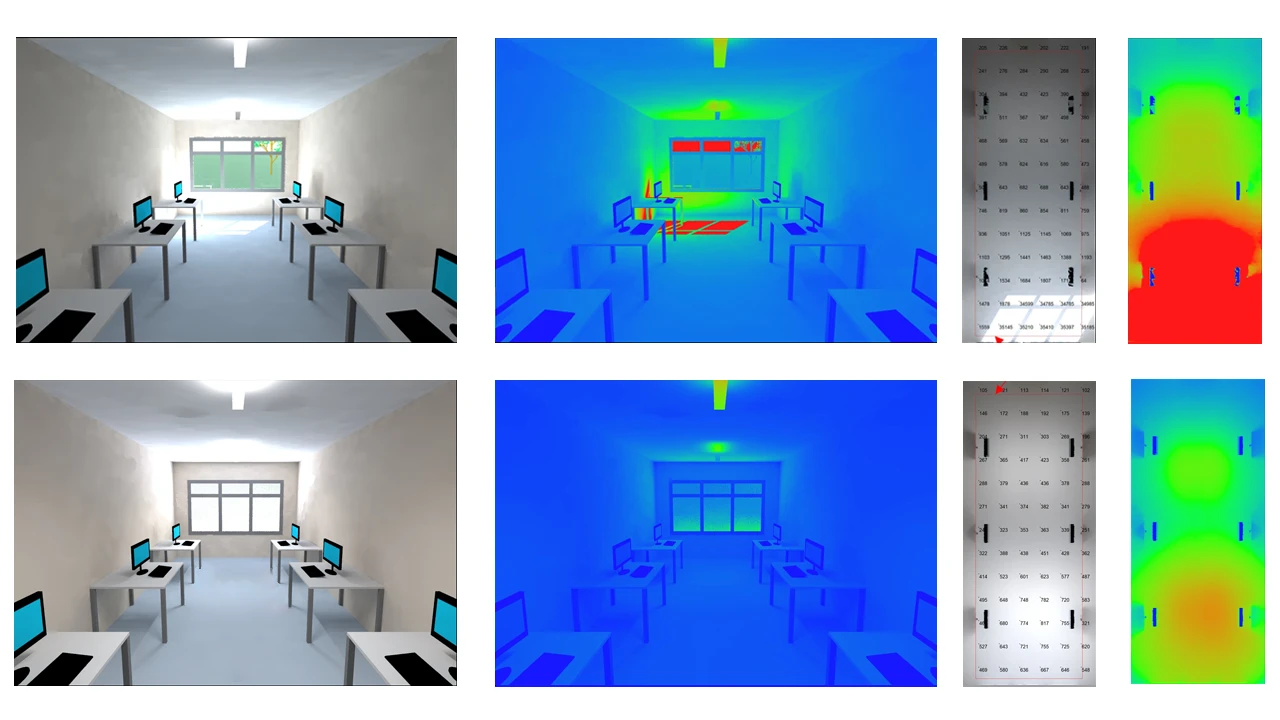
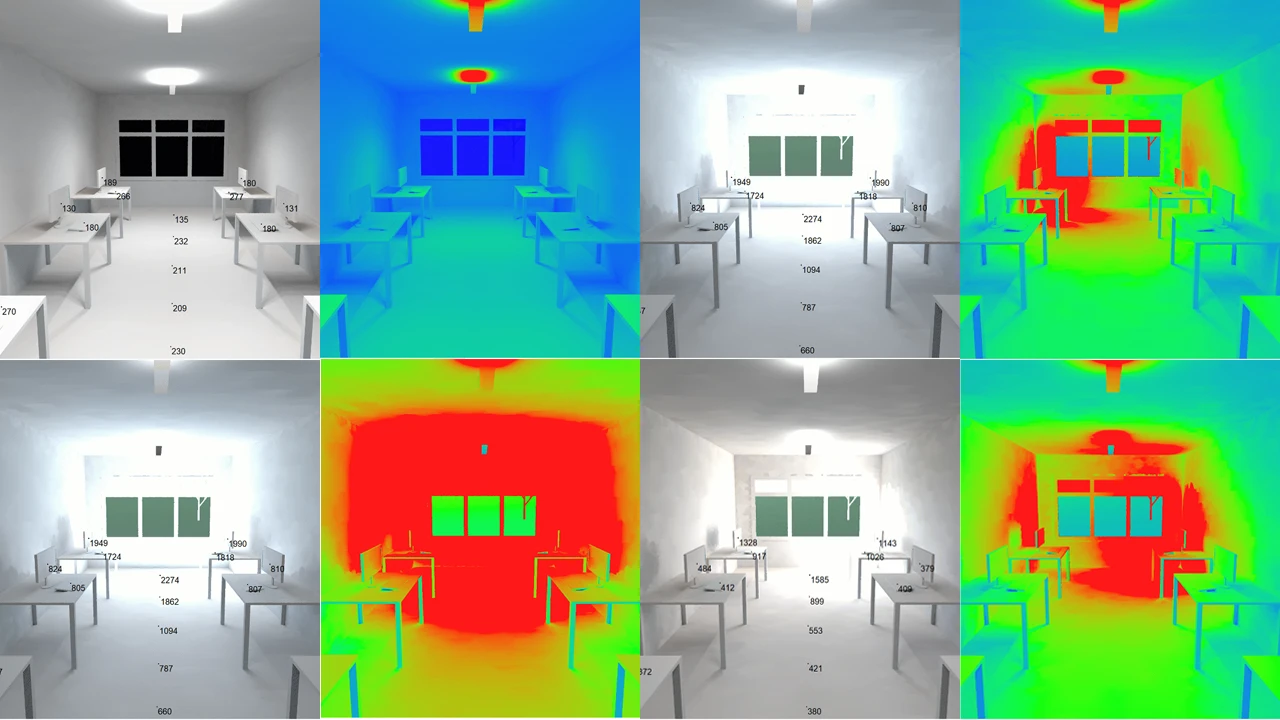
Evaluate the risk of glare and identify design strategies that improve visual comfort without sacrificing daylight.
Glare should be considered alongside daylight provision, sunlight exposure and the intended use of each space. Window orientation, façade design, shading devices, interior surface reflectance and workstation layout all influence the likelihood of visual discomfort caused by excessive brightness or direct sunlight.
Glare protection is assessed using standardized methods that estimate the probability of visual discomfort caused by bright daylight sources within the field of view. These methods allow architects to compare design alternatives, evaluate glare risk and verify that interior spaces provide appropriate visual comfort for their intended activities.